After the Last Bow, I Had No Idea Who I Was
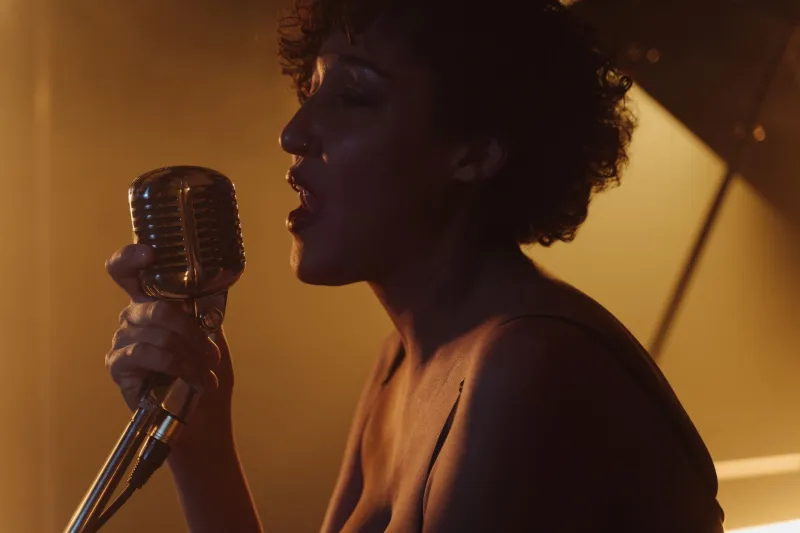
There's a specific kind of loneliness that only performers understand. It doesn't show up during the hard parts — the bad rehearsals, the rejected demos, the gigs where the sound system cuts out mid-chorus. It shows up after the good stuff. After the standing ovation. After the crowd sings your words back to you so loudly you can feel it in your sternum. After the night goes exactly the way you dreamed it would.
Then the lights go down. The room empties. And you're left holding this enormous, shapeless feeling with nowhere to put it.
I've been performing long enough to know that crash is coming. Doesn't matter. It still knocks me flat every single time.
The High Is Real — But So Is the Drop
People talk about adrenaline like it's this fun, sparkly thing. And yeah, the rush of a great show is genuinely one of the best feelings I've ever experienced in my life. When a room full of strangers is with you — really with you, not just politely watching — something chemical happens in your body. You feel invincible. You feel like every weird, difficult choice you made to get here was exactly right.
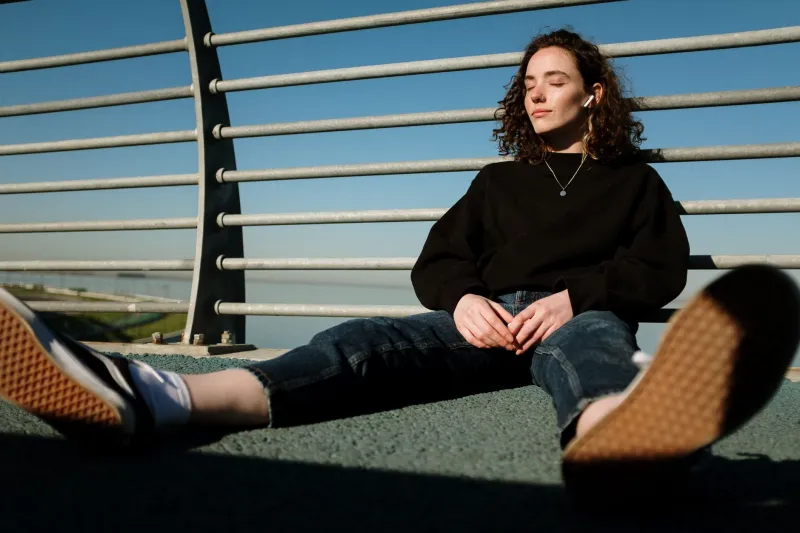
But adrenaline is a loan, not a gift. Your body calls it back. Usually around 1 AM, when you're sitting in the back of a rideshare, too wired to sleep and too depleted to talk, staring out the window at the highway lights blurring past.
I used to think something was wrong with me. Like I was ungrateful, or broken, or just not built for this. The show was good. Why did I feel hollowed out?
It took me an embarrassingly long time to realize: the crash isn't a malfunction. It's information.
What the Quiet Is Actually Saying
When the applause stops and the room goes still, all the noise that the performance was covering up comes rushing back in. The doubts. The questions I'd been too busy to sit with. The parts of the set I know weren't fully honest, even if the audience couldn't tell.
That silence is ruthless. It doesn't care about the encore. It doesn't care about the compliments in your DMs or the photo someone posted of you mid-performance looking like you had it all figured out. It just sits there and asks: Why are you doing this, really?
For a long time, I didn't have a clean answer. Or maybe I had too many answers, and none of them felt true enough.
I told myself I made music to connect with people. Which is real — I do. But if that were the whole story, I wouldn't keep writing songs that I'm terrified to perform. I wouldn't keep pulling threads that lead somewhere uncomfortable.
The Version of Me That Only Exists in the Silence
Here's what I've figured out, slowly and imperfectly: the post-show crash is where I actually meet myself.
Not the version of me that's "on" — curated, energized, reading the room and adjusting in real time. The other one. The one who's been watching all of it happen from somewhere quieter, taking notes, filing things away.
That version doesn't care about the reception. She cares about whether the thing was true. Whether I sang it like I meant it or like I was performing meaning. Whether the words I chose were the real words, or the safer ones that still sounded real from a distance.
Some nights, I walk offstage knowing I gave the audience something genuine and it cost me something real to do it. Those are the crashes I can live with. They feel clean, even when they're hard.
Other nights — and I'll be honest, there are more of these than I'd like — I walk off knowing I played it safe somewhere. Softened an edge. Held back the part that would've made the room uncomfortable, including me. Those nights, the silence feels different. Heavier. Like an accusation.
Learning to Sit in It Instead of Running
For years, my solution to the post-show crash was to fill the silence immediately. Text everybody. Go find the after-party. Scroll until my eyes burned. Anything to avoid that particular quality of alone.
I'm not fully reformed. I still reach for my phone more than I should.
But I've started building in what I privately call "decompression time" — which sounds very wellness-influencer of me, I know. What it actually looks like is sitting in my car in the venue parking lot for twenty minutes before I go anywhere. Just letting the night settle. Letting the adrenaline drain out naturally instead of forcing it somewhere.
Sometimes I cry, which used to embarrass me and now I just accept as part of the process. Sometimes I just sit there feeling the specific weight of having been seen, which is its own strange thing — exposing and necessary and never quite comfortable, no matter how many times I do it.
And sometimes, in that parking lot quiet, a line comes to me. A melody fragment. The beginning of something I didn't know I needed to say until the show forced it out of hiding.
That's the part that keeps me coming back.
Why I Create — The Answer That Took Years
I don't make music for the applause. I mean, the applause is wonderful and I'm not pretending otherwise. But if the applause were the point, I'd have quit by now — because there's been plenty of silence where applause should've been, and I kept going anyway.
I create because the alternative is carrying things alone that are too heavy to carry alone. I create because some truths only become real once you've shaped them into something — a lyric, a melody, a chord change that lands exactly where the feeling lives.
The show is where I share that. But the silence after? That's where I find out if I actually did the thing I set out to do. That's where the real accounting happens.
It's uncomfortable. It's necessary. And some of my best work has started in exactly that parking lot, in exactly that quiet, when everything else fell away and I was left with just the question: What are you trying to say, Zakiya?
I'm still learning how to answer it. But I'm glad I stopped running from the silence long enough to hear it ask.