Before I Ever Made Art, the House Was Already Making Me
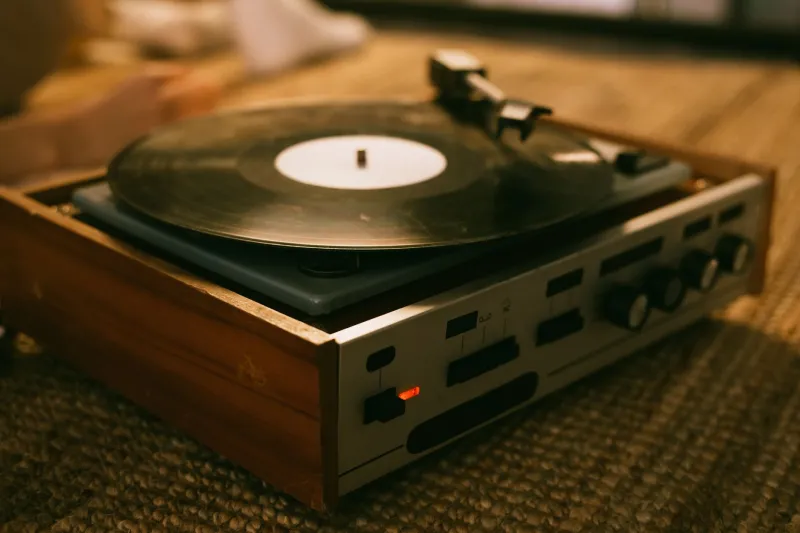
I didn't grow up in a house that talked about art as a concept. Nobody sat me down and said, this is how you develop a voice or this is what it means to create something true. But the music? The music never stopped. And somewhere between my grandmother's gospel records crackling through a secondhand stereo and my older brother's mixtapes bleeding under my bedroom door at midnight, I was getting an education nobody could have planned.
I've been thinking about this a lot lately — about how artists are assembled long before they ever consciously decide to become one. About the invisible curriculum running underneath childhood. Mine happened to be scored in four-part harmony, 808s, and the particular ache of an Anita Baker ballad at 11 p.m. on a Tuesday.
My Grandmother's Records Were My First Theology
My grandmother kept her gospel records in a wooden crate beside the living room couch like they were scripture, which honestly, to her, they were. Mahalia Jackson. The Clark Sisters. Shirley Caesar. Sunday mornings meant those voices filling every room whether you wanted them to or not — and as a kid, I'll be honest, sometimes I didn't.
 Photo: Mahalia Jackson, via statickodami.akamaized.net
But something happened in spite of my resistance. I absorbed the structure of those songs. The way they built slowly, held tension, and then released it in a rush that felt almost physical. The way a singer could take one word — grace, glory, home — and stretch it into something that contained multitudes. I didn't have language for it then, but I was learning that restraint and explosion could live in the same piece of work. That the quiet parts mattered as much as the loud ones.
Every time I sit down to write something now and I feel myself holding back before the reveal, that's her living room. That's Mahalia. I know it.
The Mixtape as a Love Language
My brother was six years older than me, which meant his musical taste felt like dispatches from a world I wasn't old enough to enter yet. He made mixtapes the way some people write poetry — deliberate, sequenced, full of intention. I'd find them on the kitchen counter sometimes. Unlabeled. Just a cassette with a piece of masking tape on it.
Through his door I heard OutKast before I understood OutKast. I heard Lauryn Hill's Miseducation on repeat for what felt like an entire summer. I heard D'Angelo and Maxwell and eventually Erykah Badu, and I didn't know what neo-soul was, but I knew those songs felt different from everything else — rawer, more interior, like the artist was working something out in real time and letting you watch.
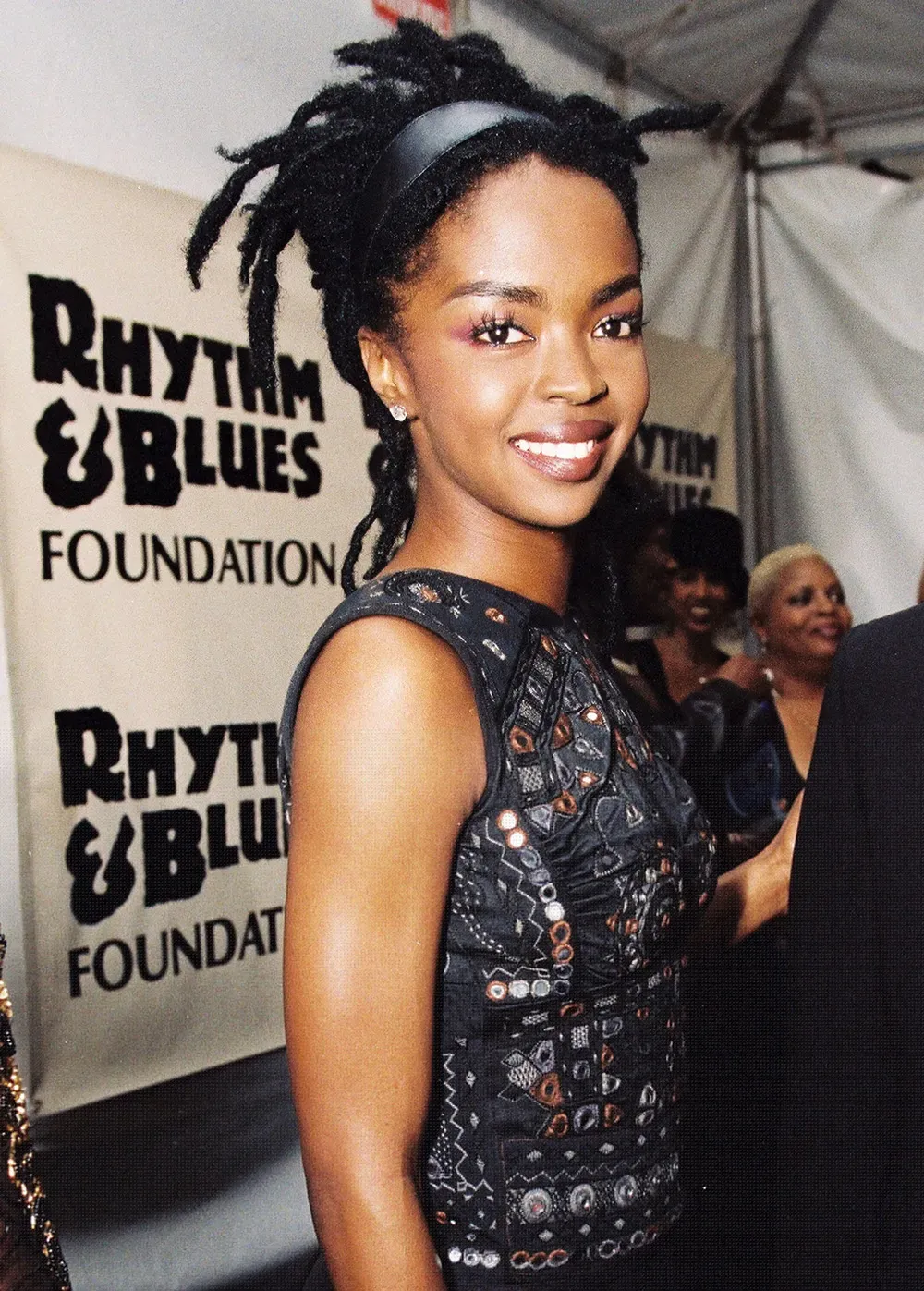 Photo: Lauryn Hill, via hollywoodlife.com
That's the thing that stuck with me most. The permission those artists modeled. Permission to be unresolved. Permission to put the messy, unfinished emotional truth in the work instead of cleaning it up for consumption. My brother never lectured me about artistic integrity. He just left those tapes where I could find them.
Late-Night R&B and the Education of Feeling
My mom had her own soundtrack, and it ran later in the evening. After dinner, after homework, once the house got quieter, she'd put on something slow. Luther Vandross. Sade. Phyllis Hyman. Sometimes Al Green if she was in a particular mood.
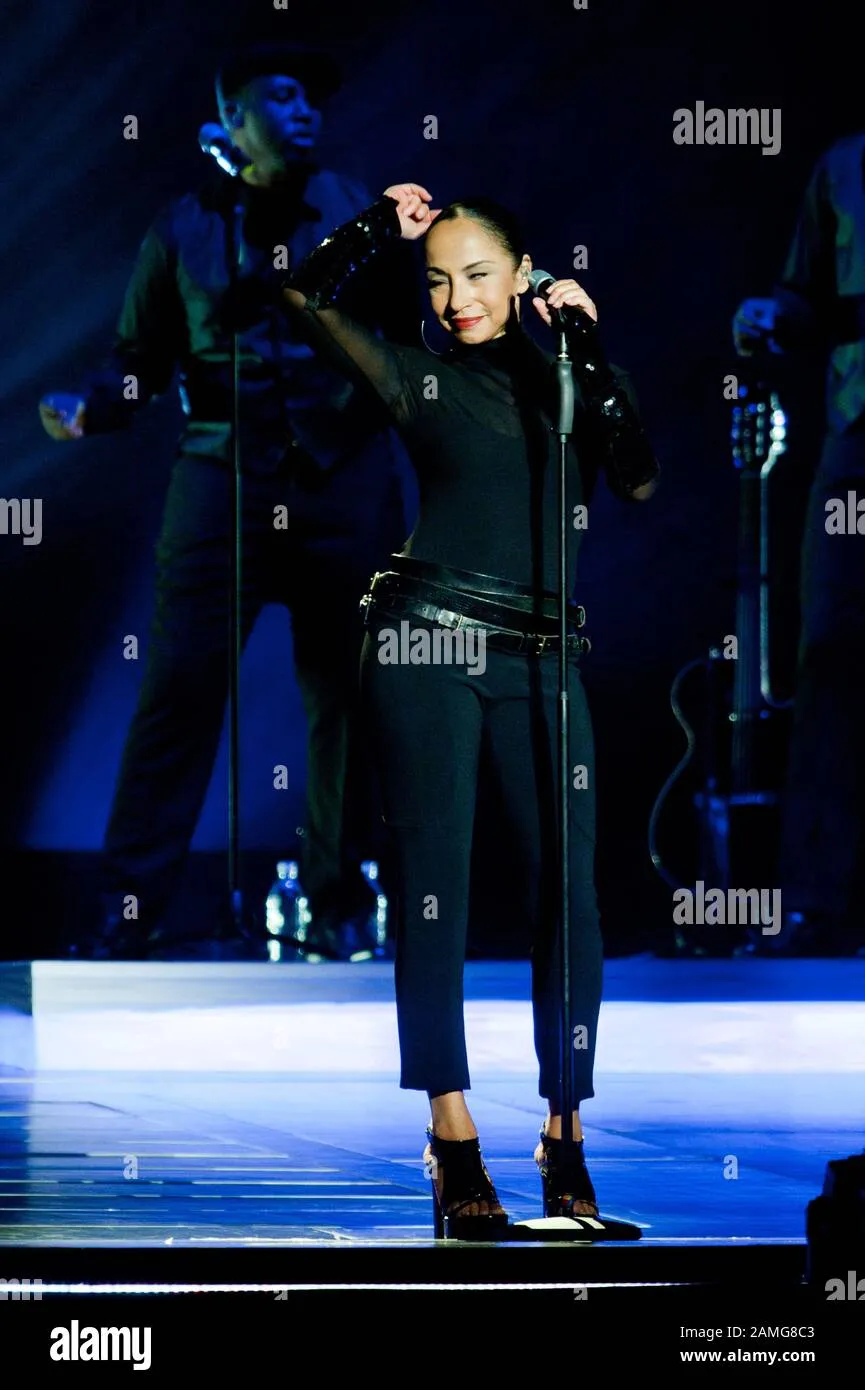 Photo: Sade, via c8.alamy.com
As a kid I found it boring, the way kids find anything slow and adult-oriented boring. But I kept listening anyway, mostly because she was in the room and I wanted to be near her. And gradually — the way you don't notice a plant growing until suddenly it's tall — I started feeling those songs instead of just hearing them.
What I was actually learning was emotional specificity. Those artists weren't singing about love in broad strokes. They were singing about the particular feeling of waiting for someone to call. The specific weight of a relationship that used to be something and isn't anymore. The exact texture of longing versus grief versus hope. Sade especially — she could make you feel something you'd never personally experienced and somehow make it feel like a memory.
That precision is something I chase constantly in my own work. The difference between writing about sadness and writing about this specific kind of sadness at this specific time of night. My mom's late-night R&B taught me that distinction before I was old enough to articulate it.
The Blueprint Was Always There
Here's what I've come to understand: I didn't find my creative voice in a classroom or a workshop or even from any single mentor (though I've had good ones). The foundation was laid in a house where music was as constant and unremarkable as air — which meant it got into everything.
The gospel gave me structure and the courage to build toward something. The mixtapes gave me the freedom to be unresolved and the confidence to trust an audience with complexity. The late-night R&B gave me the obsession with emotional specificity that still drives every project I take on.
None of it was intentional. My grandmother wasn't trying to teach me narrative arc. My brother wasn't consciously modeling artistic vulnerability. My mom wasn't running a masterclass in lyrical precision. They were just living, just loving music, just filling a house with sound.
But I was in that house. And I was listening.
What Gets Passed Down Without Words
I think about this whenever someone asks me where my perspective comes from, or why my work tends to sit at the intersection of nostalgia and urgency, tenderness and edge. The honest answer is: I don't fully know, and I've stopped pretending I do. But I know it starts in that living room. It starts with a wooden crate of gospel records and a brother's unmarked tape and a mother who needed Sade on a Wednesday night.
Artists are built slowly, mostly without knowing it. The things that shape us most rarely announce themselves. They just play in the background until they aren't background anymore — until they're the whole thing.
If you grew up in a house with music, I'd bet your creative DNA is in there somewhere too. The question is just whether you've gone back to listen.